
 KH
KH  FR
FR  AR
AR CN
CNSchool Meal Policy Action Plan Set for 2024-2030 Rollout in Cambodia
AKP Phnom Penh, March 24, 2026 -- The Ministry of Education, Youth and Sport has officially launched the Action Plan for the Implementation of the Policy on School Meals 2024-2030, with the aim of strengthening human capital development and enhancing social protection nationwide.
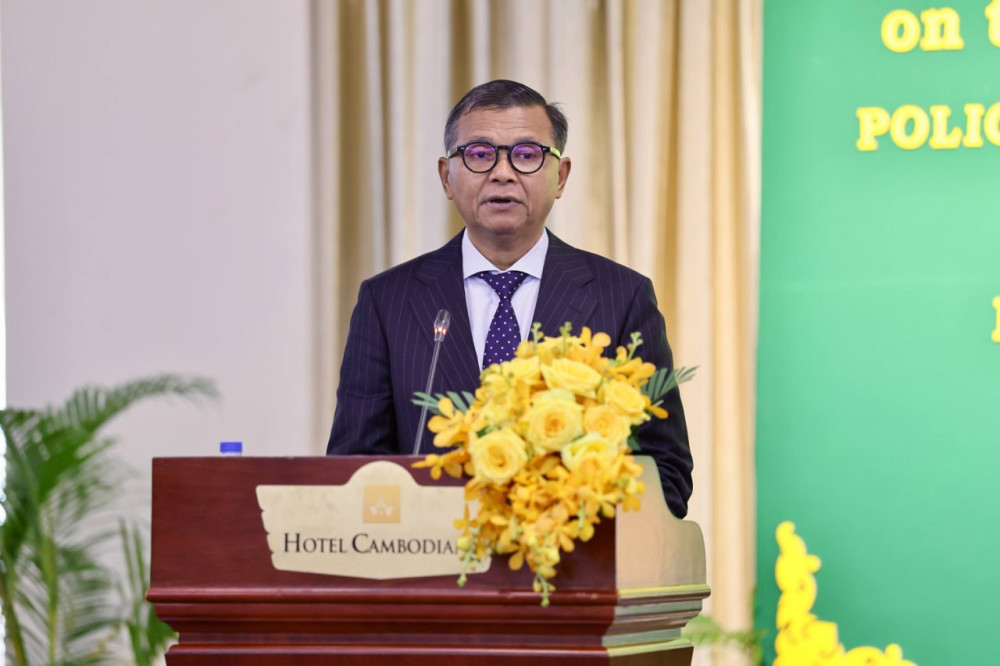
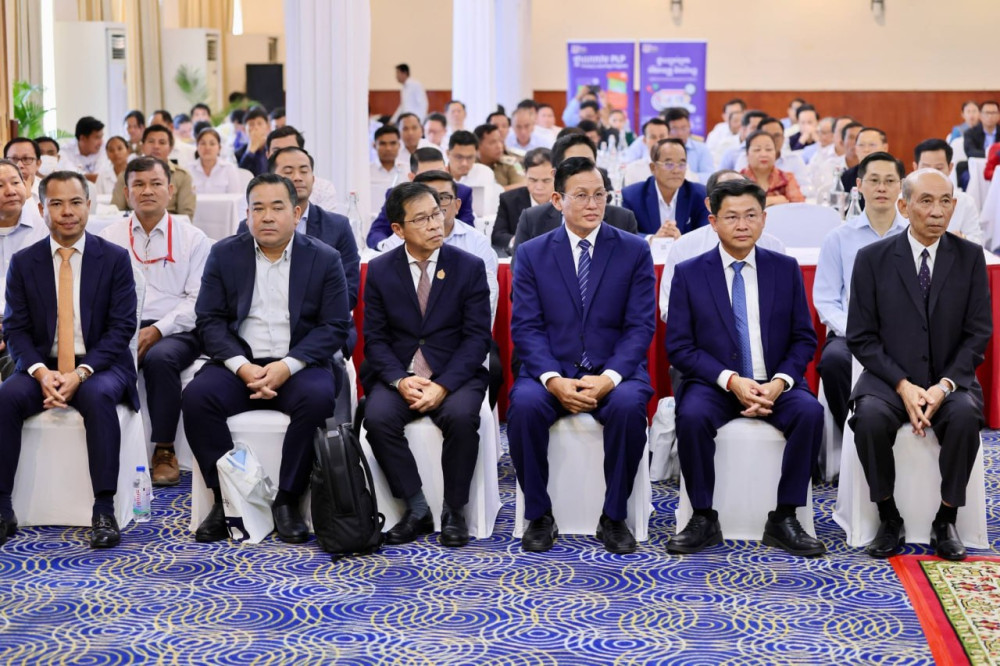
The plan was formally endorsed on Mar. 23 afternoon by H.E. Dr. Hang Chuon Naron, Deputy Prime Minister and Minister of Education, Youth and Sport, during a ceremony attended by representatives from the Ministry of Economy and Finance, the World Food Programme, development partners, and donors of the school meal programme.
During the event, Deputy Prime Minister H.E. Dr. Hang Chuon Naron commended the achievement as highly significant and expressed gratitude to all stakeholders for their active participation in shaping the action plan. He noted that the plan aligns with the priorities outlined in the Royal Government’s Policy on School Meals 2024-2035 under the seventh mandate of the National Assembly, for which the Ministry of Education serves as the implementing body.
The Deputy Prime Minister also extended renewed appreciation to Cambodia’s First Lady Lok Chumteav Dr. Pich Chanmony Hun Manet, for agreeing to serve as Honorary Chair of the school meal programme, a role aimed at further promoting the use of locally sourced agricultural products in school meal initiatives across Cambodia. He emphasised that the school meal programme constitutes a key strategy for human capital development within the framework of the National Social Protection Policy 2024-2035, and has been formally integrated into the third National Strategy for Food Security and Nutrition as well as the National Strategic Development Plan.
According to H.E. Dr. Hang Chuon Naron, the school meal programme currently focuses on five core pillars: (1) improving educational quality and enrollment rates, (2) enhancing child health and nutrition, (3) promoting agriculture and local economies through the use of community-based agricultural products, (4) advancing gender equality and social protection systems, and (5) strengthening community engagement and partnerships.
The action plan is expected to serve as a comprehensive guide for the implementation of the school meal programme. Its success will require full cooperation from all relevant ministries, institutions, development partners, donors, and local communities capable of providing meals to students in public schools using community-based resources.
By K. Rithy Reak