 KH
KH  FR
FR  AR
AR CN
CNCambodia Strengthens Partnerships to Mobilise Landscape Finance for Nature-Positive Agriculture and Sustainable Development
AKP Phnom Penh, August 10, 2026 --
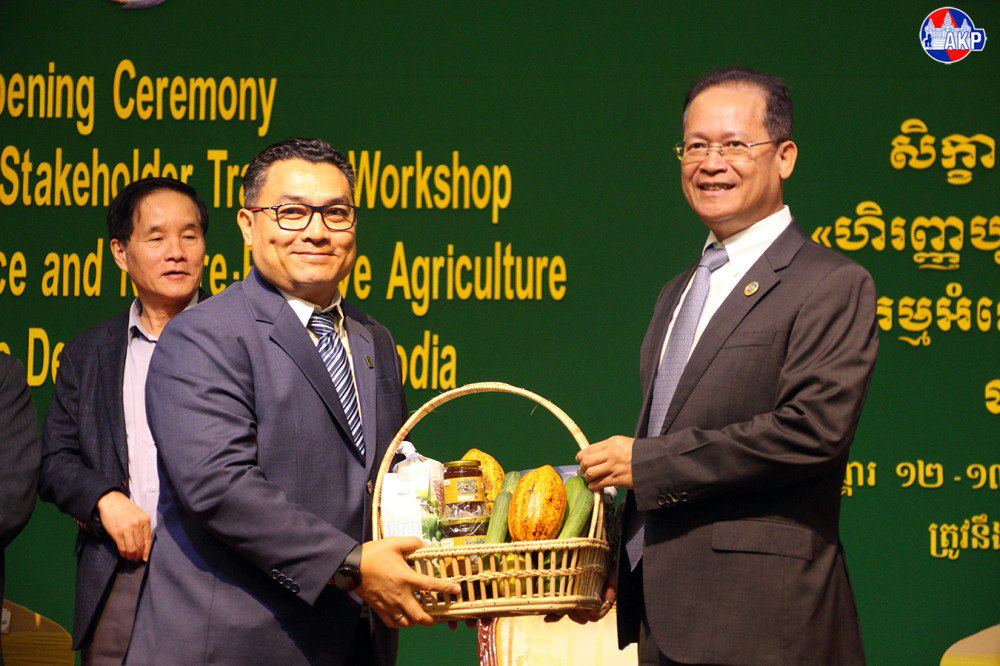
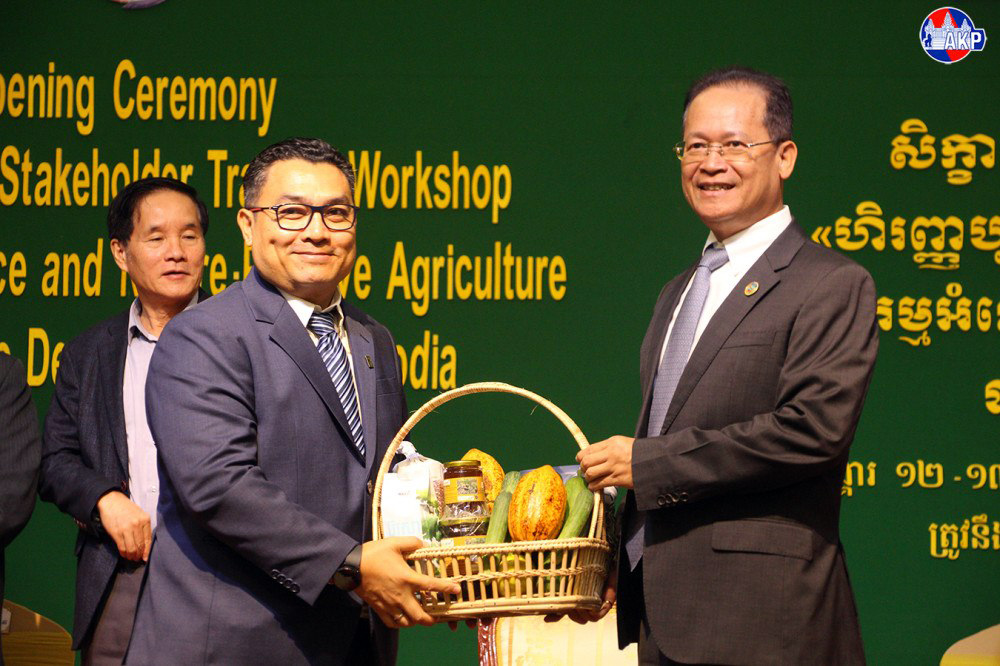
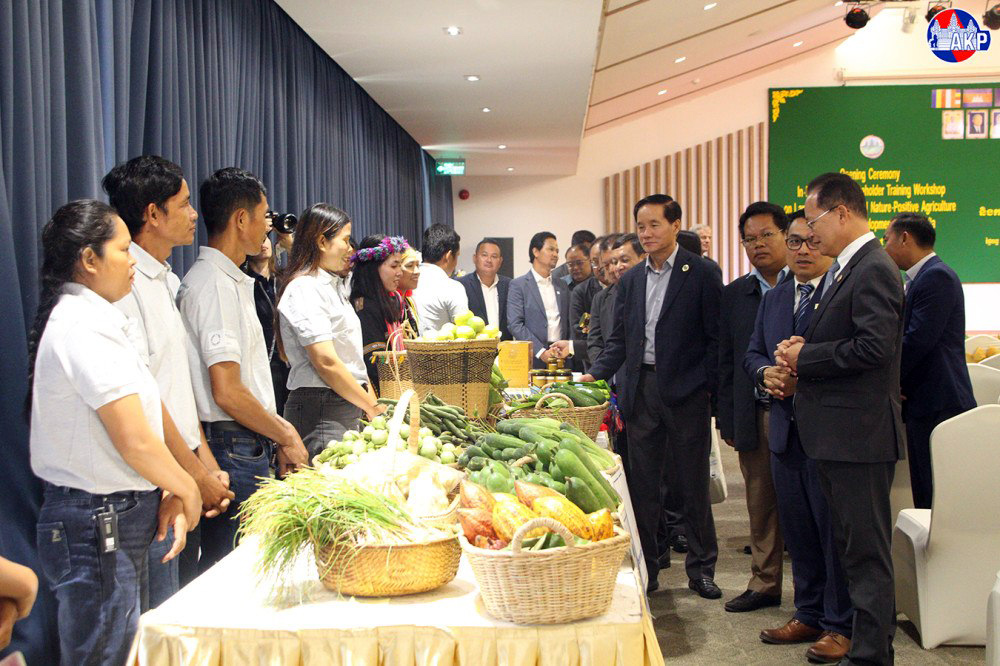
More than 80 representatives from the Royal Government of Cambodia, financial institutions, agribusinesses, development partners, civil society organisations, research institutions and local communities gathered today for a two-day Multi-Stakeholder Workshop on Landscape Finance and Nature-Positive Agriculture for Sustainable Development in Cambodia, organised by WWF-Cambodia.
According to a joint press release issued on Aug. 10, the workshop aims to strengthen understanding of WWF’s Landscape Finance Approach (LFA), a systematic framework for mobilising and aligning public, private and philanthropic finance to benefit people, nature and the economy.
The approach combines “Financing Green” interventions, which mobilise capital for nature-positive activities, with “Greening Finance” interventions, which seek to align broader financial flows and decision-making with environmental and social outcomes.
Participants will explore WWF’s interactive learning platform and identify opportunities to translate Cambodia’s landscape priorities into coordinated and investment-ready pathways, particularly in the Mekong Floodplains.
The workshop also supports Cambodia’s broader development aspirations by exploring how sustainable finance can contribute to green economic growth, food security, rural development, climate resilience and the long-term competitiveness of the agricultural sector.
H.E. Dr. Eang Sophalleth, Minister of Environment, emphasised that currently, the Ministry of Environment is implementing key priorities aligned with the Royal Government of Cambodia’s strategic direction, including the Circular Strategy on Environment 2023-2028.
The strategy is guided by three core pillars — “Clean, Green and Sustainable” — and focuses on strengthening climate resilience, promoting green economic growth, maintaining Cambodia’s forest cover and advancing carbon neutrality by 2050.
“Conserving and restoring nature is not only an environmental responsibility but also an investment in Cambodia’s future prosperity. The question is no longer whether we should invest in nature, but how we can mobilise finance at the scale required to support nature-positive production systems and sustainable landscapes,” H.E. Dr. Eng Sophaleth said.
Mr. Janes Imanuel Ginting, Country Director of WWF-Cambodia, said the workshop represents an important step toward aligning finance, policy and partnerships to achieve long-term conservation and development outcomes.
“Healthy ecosystems are the foundation of resilient economies and thriving communities. Through Landscape Finance, we can bring together government, financial institutions, businesses, development partners and communities to invest in landscapes that deliver lasting benefits for people, nature and sustainable economic growth. Together, we can demonstrate that conservation and development are not competing priorities, but complementary investments in Cambodia’s future,” he said.
Mr. Chris Howe, Conservation Impact Director of WWF Southeast Asia, highlighted the growing regional momentum for landscape finance.
“Across the Asia-Pacific region, we are seeing increased recognition that nature is one of our most valuable economic assets. Cambodia has an opportunity to lead by demonstrating how landscape finance can connect conservation, sustainable agriculture and inclusive economic development. By working across sectors, we can unlock investment that delivers measurable benefits for biodiversity, climate resilience, food systems and local livelihoods,” he said.
Cambodia has an opportunity to demonstrate how nature-positive development and innovative finance can advance biodiversity conservation, climate action and inclusive economic growth, while reinforcing the national vision of “People, Nature and Prosperity.”
By Phal Sophanith